
Aloha!
Thousands of books exist to help people be strong and work through chaos. How does a person process all that information in rapidly changing conditions? In Awakening Dragon, we make the teachings simple enough to condense down to a few points, which then can be expanded over time, time and time again, to be relevant for any topic.
Sign Up For Our Newsletter
Learning the Three Treasures
The core of the Awakening Dragon teachings are the three treasures: kindness, modesty and nonjudgment.
Three Treasures Process: Life is a dance alternating between pausing, being aware, and taking action. Use kindness to take modest actions, and then, with nonjudgment, use your awareness to navigate the results. Repeat the process whenever you face the challenge to evolve your life story and bridge any differences between your essence and the challenge.
This teaching also includes tools like wu-wei, meditation, and multi-threading your consciousness. These tools are optional, and people are encouraged to bring their personal life tools into the three treasures.
Taoism 101 – Session 2: Three Treasures
In 2024, we wrote a blog post applying these teachings to help students be ready for changing times.
Keep in mind: no teaching will improve your life without taking action and making the teaching proactive.
Right now, one of the key concepts for facing the chaos unfolding is resilience. Let’s apply our teachings to resilience to see how it unfolds. You will notice many of the same bullet points fall out as the Changing Times newsletter, and you will also find new bullet points.
The nice thing about using the three treasures and dragon teachings is that the answers constantly evolve to fit the variety of problems you face. You will often get similar answers, yet it will always add new angles to consider over time.
Put your seat belt on! I will blast you with a metric ton of ideas to make a critical point later in the newsletter. For now, at the start of this exercise, don’t try to remember or apply all the options that are defined by the process. Instead, identify one or two bullet points you can use right now in your life.

Building Resilience: Strength in Chaotic Times
In an era marked by political unrest, climate change, and rapid shifts in societal norms, resilience is an essential skill. Resilience is not just about surviving; it is about thriving despite adversity. We believe in two fundamental truths about resilience:
- You are already resilient. The process is about expanding your resilience over time.
- Play the long game to win. The short game often favors those who control the dominant narrative, but building resilience allows you to maintain your power and integrity to prevent others from making your life into their game.
Resilience is about outlasting the challenges of a changing world. But what does resilience look like in practice? Below are key strategies for building and maintaining resilience, with practical applications for each point.
1) Pacing Yourself
- What it is: Resilience is a marathon, not a sprint. It involves managing energy and time effectively to avoid burnout.
- Why it matters: Overexertion can lead to stress, fatigue, and ultimately, failure. Sustainable progress requires steady effort.
- How to build it: Set clear boundaries for work and rest. Engage in activities that recharge you, such as meditation, hobbies, or quality time with loved ones.
2) Positioning Yourself
- What it is: Being strategic about where and how you invest your time, energy, and resources.
- Why it matters: The right environments and relationships foster growth, while the wrong ones drain resilience.
- How to build it: Choose environments—whether work, social, or personal—that support your growth and align with your values.
3) Being Part of Multiple Communities
- What it is: Cultivating diverse networks of support in various aspects of life.
- Why it matters: A broader support system provides multiple sources of encouragement and resources.
- How to build it: Join various professional, social, and personal communities to ensure you have a broad support system when challenges arise.
4) Being Engaged and Actively Participating in Your Communities
- What it is: Contributing meaningfully to the communities you are a part of.
- Why it matters: Engagement strengthens bonds, fosters trust, and reinforces your sense of belonging.
- How to build it: Take part in discussions, volunteer, and offer help where you can.
5) Being Supportive of Each Other in Your Communities
- What it is: Mutual aid strengthens the resilience of the entire group.
- Why it matters: A strong network is built on reciprocity. Supporting others ensures that support will be available when you need it. Social support reduces stress and offers different perspectives during tough times.
- How to build it: Nurture relationships, communicate openly, and don’t hesitate to ask for help when needed. Offer a listening ear, provide guidance, and assist others when they are in need.
6) Staying Healthy – Back to Basics
- What it is: Physical and mental health is a cornerstone of resilience.
- Why it matters: A well-maintained body and mind support physical, emotional and mental resilience.
- How to build it: Prioritize a balanced diet, hydration, sleep, and regular exercise.
7) Releasing Abusers & Free Yourself
- What it is: Identifying and distancing yourself from toxic influences.
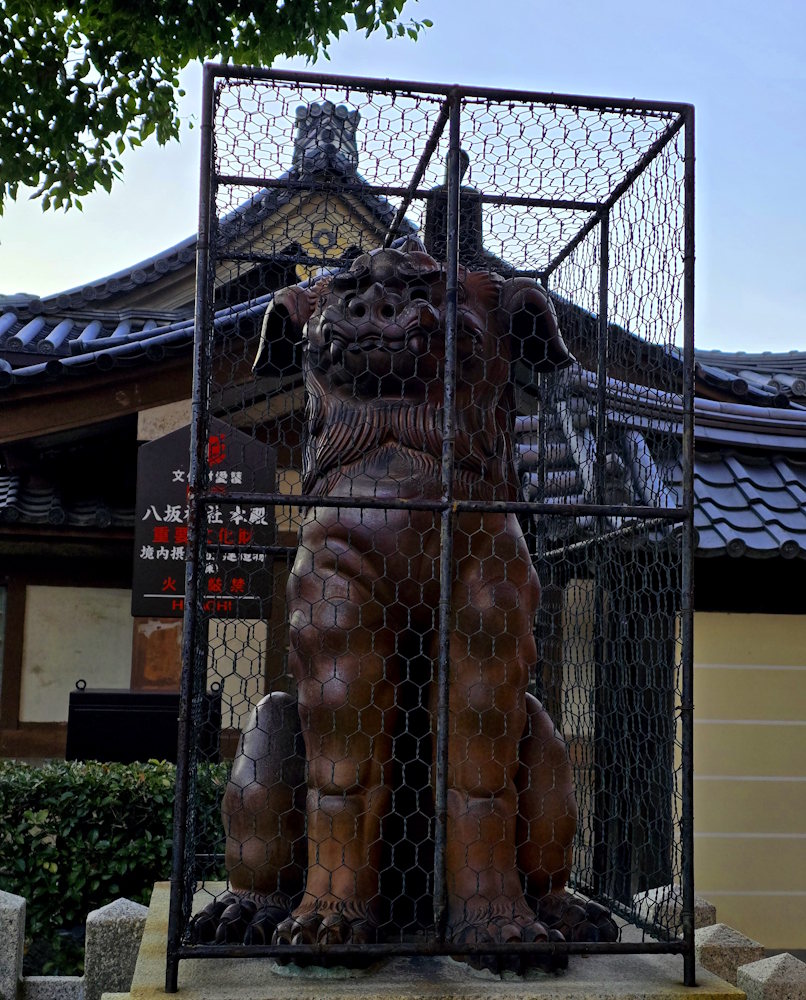
- Why it matters: Toxic relationships drain your emotional and mental energy, hindering resilience. It’s hard to be resilient when you are trapped in a cage!
- How to build it: Set firm boundaries and seek out relationships that uplift and support you.
8) Position Yourself to Be Flexible in Your Options
- What it is: Adaptability is a core component of resilience.
- Why it matters: The ability to pivot in response to change ensures long-term stability and growth.
- How to build it: Develop multiple skills, explore diverse career paths, and remain open to new opportunities.
9) Keep Yourself Healthy with This in Mind…
- What it is: Self-care is an ongoing process, not a one-time action.
- Why it matters: A strong foundation of self-care allows you to weather storms effectively.
- How to build it: Regularly check in with yourself about your physical and emotional health. Seek medical or psychological support when necessary.
10) Keeping a Calm, Centered Perspective
- What it is: A clear mind helps navigate uncertainty.
- Why it matters: Emotional balance allows for better decision-making and stress management.
- How to build it: Practice mindfulness, meditation, or deep-breathing exercises to maintain a calm perspective.
11) Reestablishing Your Basic Needs and Truths to Grow Again
- What it is: Resilience involves rebuilding after setbacks.
- Why it matters: Understanding what you need to thrive helps you recover quickly from hardship.
- How to build it: Identify core needs—such as safety, purpose, and belonging—and take concrete steps to reestablish them during challenges.
12) Keep Communication Channels Open
- What it is: Staying connected to others, even in difficult times.
- Why it matters: Clear communication strengthens relationships and prevents misunderstandings.
- How to build it: Maintain strong local and long-distance relationships through regular check-ins, visits, and online engagement.
13) Expand Your Self-Awareness
- What it is: The ability to recognize and understand your emotions, thoughts, and behaviors.
- Why it matters: Self-awareness helps you navigate challenges and leverage your strengths.
- How to build it: Practice mindfulness, journaling, or seeking feedback from others to gain insight.
14) Keeping a Strong Sense of Optimism
- What it is: A positive mindset that focuses on hope and the belief that things will improve.
- Why it matters: Optimism helps you see challenges as temporary and surmountable.
- How to build it: Reframe negative thoughts, focus on what you can control, and celebrate small wins.
15) Adaptability
- What it is: The ability to adjust to new conditions and embrace change.
- Why it matters: Life is unpredictable, and being adaptable ensures long-term success.
- How to build it: Step out of your comfort zone, develop new skills, and cultivate a growth mindset.
16) Practice Your Problem-Solving Skills
- What it is: The ability to analyze situations and take action to resolve issues.
- Why it matters: Effective problem-solving reduces stress and fosters confidence.
- How to build it: Break problems into manageable steps, brainstorm solutions, and seek advice when needed.
17) Expand Your Coping Strategies
- What it is: Healthy ways to manage stress, such as exercise, meditation, or creative outlets.
- Why it matters: Coping mechanisms prevent burnout and support mental well-being.
- How to build it: Experiment with different techniques to find what works best for you.
18) The Ongoing Search for Purpose and Meaning
- What it is: A sense of direction and purpose gives life meaning and motivates perseverance through difficult times. People often find purpose in traditions, culture, personal goals, or contributing to something larger than themselves.
- Why it matters: Having a strong sense of purpose helps navigate uncertainty, builds motivation, and provides a foundation for decision-making. In times of rapid change, many people question their purpose, making it vital to take control of this process rather than allowing others to dictate their narrative.
- How to build it: Reflect on your core values and passions. Set meaningful, long-term goals that align with your personal mission. Engage in activities that contribute to a greater cause, such as volunteering or mentorship.
19) Build Up Your Self-Efficacy
- What it is: Self-efficacy is the belief in your ability to influence outcomes and succeed in specific situations. It determines how much effort you put into challenges and how you respond to setbacks.
- Why it matters: A strong sense of self-efficacy boosts confidence, reduces stress, and encourages perseverance. It prevents feelings of helplessness and increases motivation to take action in the face of adversity.
- How to build it: Set small, achievable goals and celebrate successes. Remind yourself of past accomplishments and use them as evidence of your ability to overcome obstacles. Surround yourself with supportive individuals who encourage and reinforce your capabilities.
20) Practice Emotional Regulation
- What it is: Emotional regulation is the ability to manage and express emotions in a healthy and constructive way. It helps maintain stability and prevents negative emotions from spiraling out of control.
- Why it matters: Strong emotional regulation reduces impulsive reactions, enhances problem-solving, and fosters better relationships. It enables you to stay composed in high-pressure situations and make rational decisions under stress.
- How to build it: Practice mindfulness and meditation to increase self-awareness of emotions. Identify emotional triggers and develop strategies to manage them. Use techniques such as deep breathing, journaling, or grounding exercises to stay centered.
21) Learn from Experience
- What it is: Resilience is not just about bouncing back; it’s about growing stronger from adversity. Learning from experience means analyzing past challenges and using those insights to improve future responses.
- Why it matters: Reflecting on past successes and failures helps develop wisdom, refine problem-solving skills, and build confidence. It prevents repeating mistakes and increases adaptability in future situations.
- How to build it: Regularly reflect on both successes and setbacks to extract lessons. Keep a journal to document experiences and insights for future reference.Stay open to feedback and continuously adapt strategies for better outcomes.
Wow I know this is now information overflow! This is why Taoism teaches in simpler constructs like the Tao Te Ching which can expand out to cover larger teachings.
As I said earlier, only focus on two points at this moment and then repeat the process again later in life.
Let me ask you a question which is easier to remember.
The Three Treasure Process: Life is a dance alternating between pausing, being aware, and taking action. Use kindness to take modest actions, and then, with nonjudgment, use your awareness to navigate the results. Repeat the process whenever you face the challenge to evolve your life story and bridge any differences between your essence and the challenge.
-OR-
Memorizing all 21 of these points, all 22 points from the Changing Times newsletter, and the thousands of other points over the last twenty years I have taught.
I chose the three treasure process. I have forgotten countless teachings from thousands of books in my life. However, I can always reclaim any teaching and revise it for new situations FOREVER ahead in my life with this approach. Once you learn how to use the base three treasures teachings and how to re-expand them into the life tools you need at the moment, you will never lack advice in facing your challenges ahead.
I learned several truly new ideas from the process. I want to illustrate the truth that this process will always teach you, no matter where you are in life. The Self-Efficacy and Optimism points weren’t something I had ever considered before from this perspective. People would call me optimistic, but to myself, I thought of it as being practical in life.
Final Thoughts
Building resilience is a lifelong practice. By integrating these strategies into your life, you will endure challenges and emerge stronger and more capable. Remember: resilience is not just about surviving; it is about thriving and helping others do the same.

sad