

Life is a game, and it’s not just a metaphor; it’s a mindset. Some people resist this idea, thinking it trivializes life. But in truth, games aren’t light or meaningless. Games can be serious, complex, and high-stakes. And in the case of life, the stakes are nothing less than your future, your relationships, your peace of mind and your very existence.
The games we choose to play in life shape the stories we live. Whether we’re aware of it or not, we’re all playing. The key is to recognize the games you’re in, decide which ones are worth playing, and have the courage to change any game that undercuts you.
I’m sharing one of the angles of how I see and navigate life. As a life approach, it may not be for everyone, yet for me, living playfully has revealed countless secrets and opened up a myriad of experiences and opportunities over my life.
If life is a game, then the win conditions I strive for are as follows
- Find balance in my practice of kindness
- Witness everything as infinitely kaleidoscopic
- Help each person be uniquely themselves
I find great peace in striving to achieve these concepts with my lifestyle. Out of this mix came the teaching of…
Learning How to Change the Game
One of the most important lessons I’ve learned, and shared with others is simple: when you’re stuck in a bad situation, change the game.
Living to kindness means removing out from your life any game that is toxic, rigged, or undercuts your growth potential.
That’s why we’ve been so successful in helping students and others transform their lives. If someone plays a game designed to strip away their power, they’ll lose 95% of the time. But they’ll win just as often if they learn to engage in a game that fosters growth, confidence, and community.
Sign Up For Our Newsletter
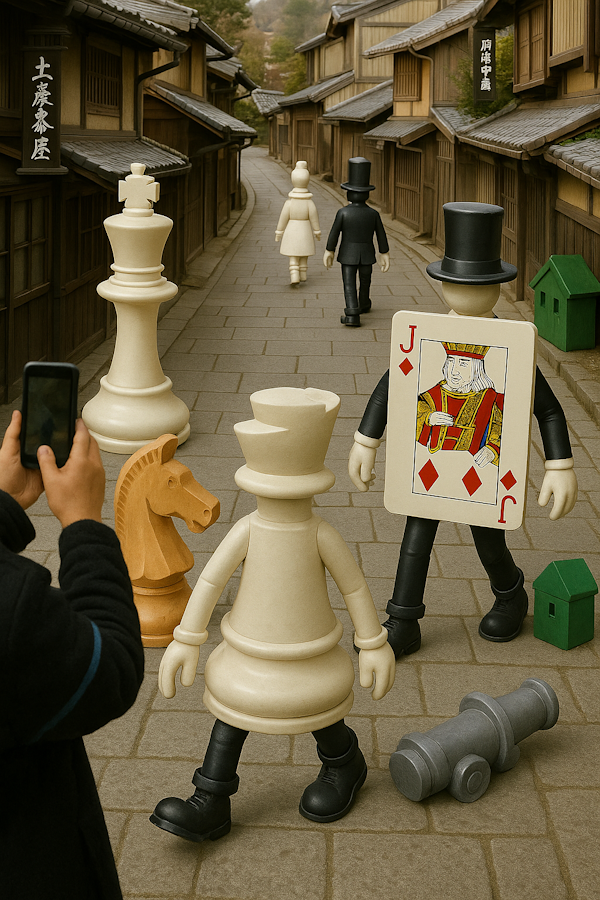
Why Do We Keep Playing Rigged Games?
Would you willingly play a card game stacked against you? Of course not. Yet people do this every day. They stay in dead-end jobs, toxic relationships, or chase superficial goals that leave them exhausted and empty. They keep playing games they didn’t design or benefit from, games often set up by someone else.
They lose, blame bad luck, and try again, only to repeat the cycle.
But here’s the truth: life doesn’t offer restarts. You can’t erase the past. However, you can change the game and build wisely from your experiences to win each newer game you start.
The Rules of Real Life Play
Here are a few principles to guide how you play life’s games:
Don’t Play Someone Else’s Game
Too many people live according to other people’s expectations, family, society, peers. But these aren’t your rules. View life as your own game. Define your own win conditions. You can also have multiple win conditions!
An Example of Changing the Win Conditions
Everyone embraces only one win condition in fixing relationships: “save the relationship”. Julie and I change the relationship process for our students by redefining the win conditions as follows:
- Make sure the student grows stronger and becomes more vibrant in life.
- Protect and help any children within the relationship to grow and be healthy.
- Help the partner grow.
- Save the friendship between the partners.
Only focus on saving a relationship when win conditions 1 through 4 are achievable.
Only focusing on saving a relationship usually causes more interpersonal damage and creates unnecessary conflict. Ironically, changing the win condition to “growth” is a win condition 95% of people can achieve in life.
Understand What the Game Is Teaching You
Children instinctively learn through play. Each game teaches a skill: strategy, teamwork, emotional resilience, and patience. These lessons stick. The games we played as kids shaped our worldview as adults. Now, as adults, we must choose games that teach us how to grow into wiser, kinder, more capable people.
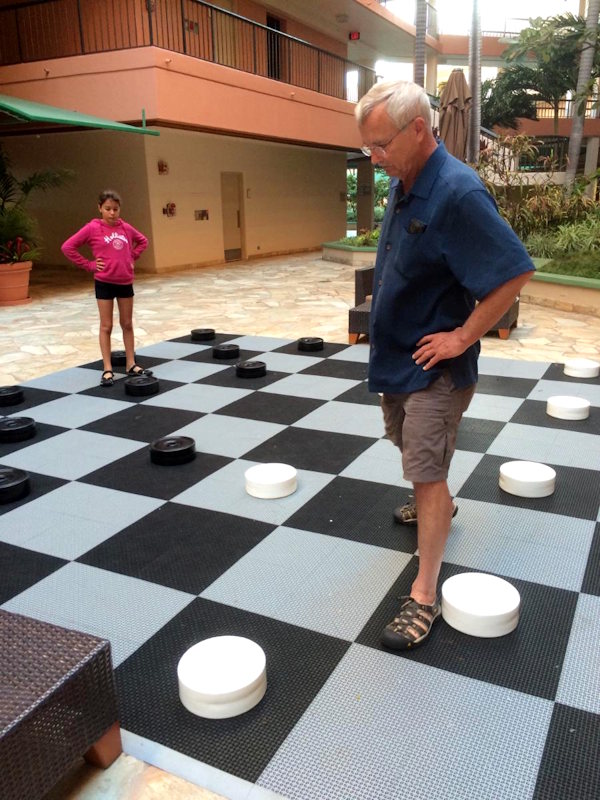
When an adult stops being playful they become stagnant in their lifestyle.
Don’t Play Games Based on Your Biases
Understand you have many different forms of bias in life, which will keep you in unfair life games (staying in a bad job) or playing life games you are losing (being stuck in an abusive relationship). This is especially true for sunk cost fallacy, where we don’t leave something we have invested time and money into a losing situation. We often simply need to walk away from a life game we are losing, learn the lesson, and move to the next opportunity.
Don’t be afraid of forfeiting one bad game to move on to something better.
When losing a game in life, first examine if any personal bias is in play and if so, then practice removing that bias.
Fairness and the Rules of the Game
Let’s be clear: life isn’t fair, at least not by default. For more on this, see: What Is Fair?
Discover that fairness can be built into your personal games. You can create communities, relationships, and workplaces based on mutual respect, compassion, and shared success. We build fairness into games by creating RULES. With rules in place, fairness becomes a choice – you either follow the rules or you don’t.
A few benefits of following the rules and creating fairness are:
- Fairness allows all players to grow
- Fairness creates inspiration
- Fairness can allow for meaningful collaboration
- Fairness allows players with less power to work together to call out cheaters
There is no perfect balance or rule set. However, when balance is so skewed as in the case of wealth disparities, those in power can write new rules to benefit themselves essentially writing others out of the game.
Don’t let others, especially billionaires, write life game rules for you.
Out Thinking a Game
Life isn’t always linear or logical. It’s not a chessboard where every move has a calculable counter. The universe is filled with unseen forces, intuition, coincidence, energetic flows, and emotional processes. To truly succeed in life games, we need more than intellect, we need pattern recognition, emotional intelligence, intuition, and the ability to read the “flow” of our environment.
The best players aren’t just strategic; they’re adaptive. They listen, feel, respond. They don’t only think five steps ahead, they also listen to the board itself to shift.
Using myself as an example, despite seeing many historical events unfold decades ahead of time, “knowing” didn’t allow me to change the old games leading to those events. However, I was able to shift my personal game, build a new life, help others be stronger, connect up a community, and focus on a vibrant lifestyle.
Life isn’t about just winning a game; it is also about enjoying and expanding ourselves as we move within those games.
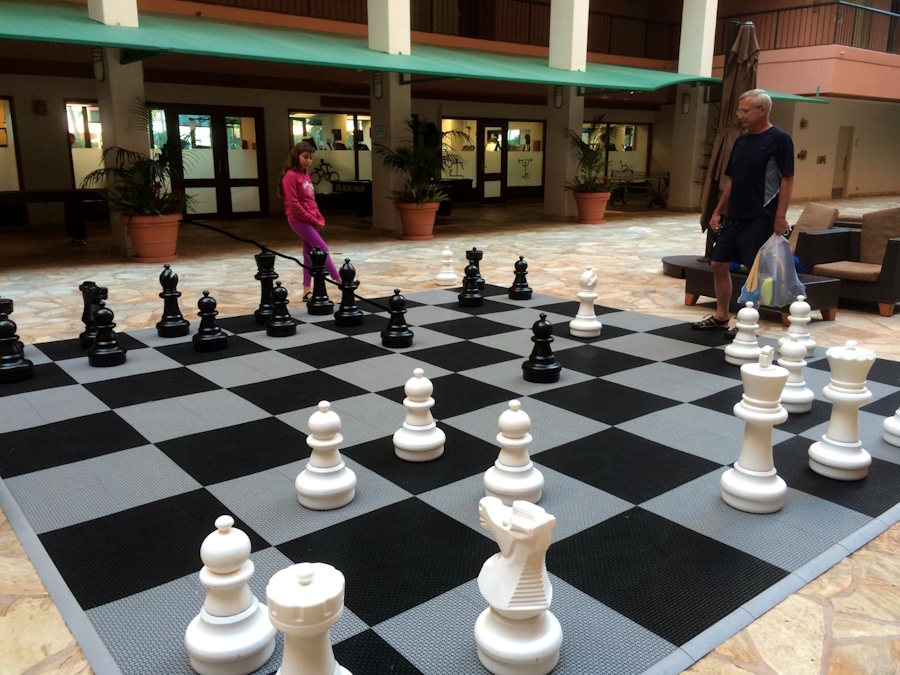
Chaos in the Game
A wise player knows that not every game is worth finishing.
Sometimes, chaos flips the board. Sometimes someone cheats, breaks the rules, or changes the rules mid-play. When this happens, it’s not possible to restore order. Step back. Observe. Let the pieces settle, and start a new game entirely.
Right now, politically, we see dictators weaponizing chaos. By breaking rules and destroying systems, they make all players chase unpredictability. But trying to “beat” chaos with prediction burns people out; meanwhile, others exploit the confusion for gain.
In such moments, focus on what matters: your health, your community, your values. Then begin again, deliberately, with one grounded action at a time.
Become a Game Designer
The most powerful people in life aren’t the ones who play the best, they’re the ones who create or control the rules. Life is the only cosmic game in play, and it doesn’t come with a cosmically premade ruleset. Instead, your lifestyle becomes the basis of the rules through which you play life’s game. Society tries to fool you into thinking it has already provided you with a complete set of rules.
Be your own game designer to play through a lifestyle that rewards growth, supports others, and reflects your deepest values.
Ask yourself:
- What game am I playing right now?
- Who created the current rules?
- What is the actual prize?
- Do I like the prize?
- Is it time to change the game?
Final Thoughts
Life is the longest, deepest, most meaningful game you’ll ever play.
Don’t just play to survive. Play to grow. Play with intention. Play to build something worth remembering. And when required, don’t hesitate to change all the smaller games played along the way.